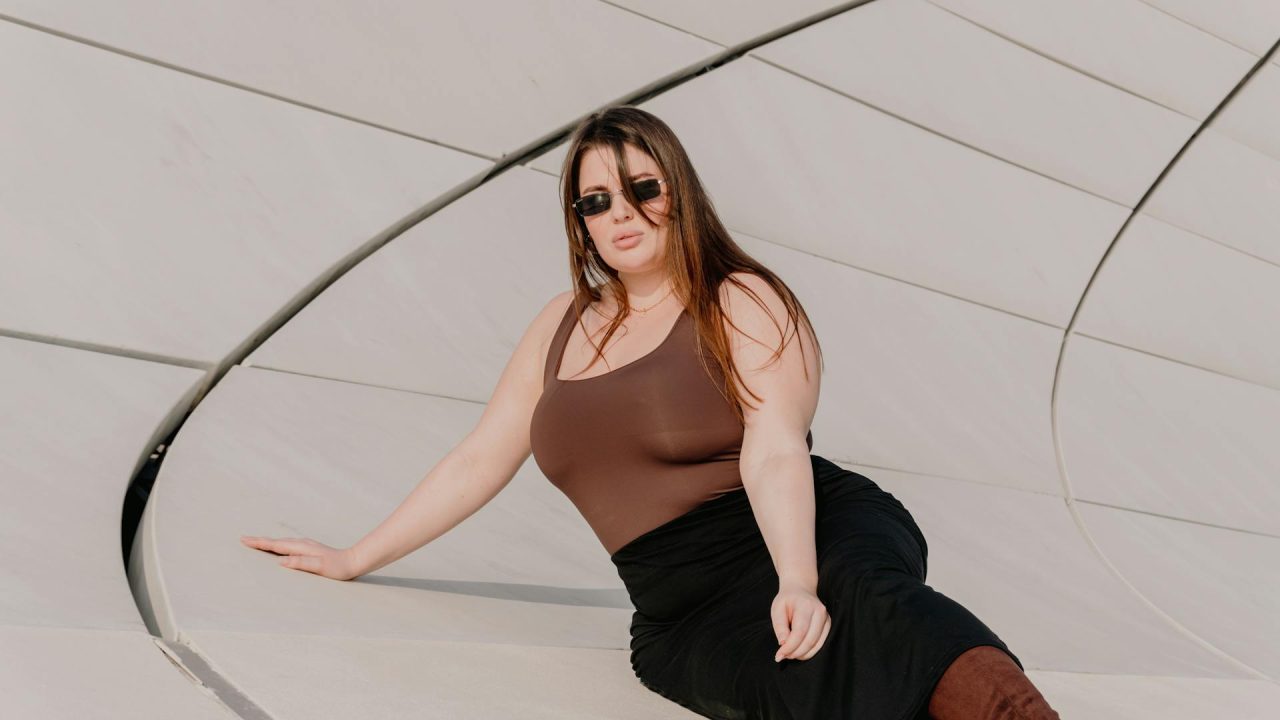
From Outcast to Obsession: The Untold History of BBW & Fat Acceptance
Before the OnlyFans curves and the body-positive billboards, big women were fighting just to be seen. The story of how the BBW went from cultural outcast to internet obsession is a wild, defiant, decades-long ride, and it explains everything about why curvy content is exploding right now.
The rise of BBW as one of the most-searched categories online did not happen by accident. It is the payoff of a sixty-year fight, started by activists long before anyone hashtagged a thing. To understand why curves are winning, you have to go back to where it began.
1967: the protest that lit the fuse
It started with fire. In 1967, around 500 people gathered in New York City’s Central Park for what became known as a “fat-in.” They ate openly, carried signs against weight bias, and burned diet books and photos of the era’s reigning thin icon, the model Twiggy. It was loud, joyful and furious, fat people refusing, in public, to be ashamed. The modern movement was born in that moment.
1969: NAAFA and the birth of fat rights
Two years later, activist Bill Fabrey co-founded what is now the National Association to Advance Fat Acceptance (NAAFA), the first organisation to frame anti-fat discrimination as a civil rights issue. Around the same time, a more radical fat-liberation wing, with deep roots among queer Black women, pushed the idea further: not just tolerance, but pride. The seeds of everything that followed were planted here.
It started with people burning diet books in a public park. Sixty years later, the world is finally catching up to them.
The 1980s–90s: from the margins to a subculture
Through the 80s and 90s, the fat-acceptance and feminist movements grew alongside each other, attacking the harm that fashion and advertising did to women’s body image. It was in this era that the term BBW itself, “Big Beautiful Woman,” took hold, born from a magazine and a community that finally had a name for desirability on its own terms. In 1996 the phrase “body positive” was coined when activists Connie Sobczak and Elizabeth Scott founded The Body Positive. Big women were no longer just protesting, they were building a culture.
The 2000s: the internet changes everything
Then came the web, and it changed the game forever. Early platforms like Tumblr and the first social networks gave big women something they had never had: space. Space to build communities, share plus-size fashion, find admirers, and crucially, to be seen and wanted without a gatekeeper deciding they were not marketable. The private search bar did the rest, men who had always loved curvy bodies could finally look without anyone watching, and the data quietly exploded.
The 2010s: body positivity goes mainstream
By the 2010s, body positivity was roaring on Instagram. Plus-size models like Tess Holliday and Gabi Fresh became household names, magazine covers and runways slowly diversified, and “curvy” went from insult to selling point. The culture that started with burning Twiggy photos was now shaping fashion campaigns. Desire that had been hidden for decades was suddenly, loudly, visible.
Now: the creator era and the great correction
Today we are living through the payoff. The creator economy blew the last gatekeepers away, curvy women now build huge audiences and out-earn the old “industry standard” on their own terms. BBW is one of the fastest-growing categories in all of adult, and what looks like a sudden trend is really the surfacing of demand that was always there, just suppressed. The activists were right all along.
The full arc, from a defiant picnic in 1967 to a record-breaking category in 2026, tells one clear story: the love of big, beautiful women was never the fringe. It was just waiting for the world to admit it out loud.
Frequently Asked Questions
When did the fat acceptance movement start?
It traces to the late 1960s, notably a 1967 “fat-in” protest in New York’s Central Park and the 1969 founding of NAAFA, the first group to treat anti-fat bias as a civil rights issue.
Where does the term BBW come from?
“Big Beautiful Woman” emerged from a magazine and community in the late twentieth century, giving plus-size desirability a name and helping turn it into a recognised culture.
Why is BBW content so popular now?
Decades of fat-acceptance activism plus the body-positivity movement and the creator economy removed the old gatekeepers, letting long-suppressed demand for curvy bodies finally surface openly.
See the movement’s payoff in full. Explore BBW and curvy, decades of suppressed desire, finally out in the open.